The History and Traditions of New Year: Why We Celebrate on January 1
We explore how the tradition of marking the beginning of the calendar year on the first day of January emerged and what interesting customs exist around the world.
 🎭Culture & Sport
Photo: TSN
Key points
- Julius Caesar established January 1 as the beginning of the year.
- The Gregorian calendar standardized timekeeping in 1582.
- Different nations have unique rituals to attract good luck.
From Ancient Calendars to Modern Times
The tradition of celebrating New Year on January 1 has deep roots dating back to Ancient Rome. Although in ancient times various peoples linked the beginning of the year to natural cycles—such as the flooding of the Nile in Egypt or the spring equinox in Babylon—it was the reform of Julius Caesar in 46 BC that established January as the starting point. The name of the month comes from the god Janus, who symbolized transitions and the gaze into both the past and the future.
Calendar Evolution and Global Customs
Despite Roman efforts, medieval Europe long lacked a unified date for the celebration, often choosing Christmas or the Annunciation. The situation changed only after the introduction of the Gregorian calendar by Pope Gregory XIII in 1582, which gradually became the standard for most countries worldwide.
Today, every culture maintains its unique traditions for welcoming the holiday:
- In Spain, it is customary to eat 12 grapes as the clock strikes midnight.
- Italians prepare lentils, which symbolize wealth.
- Japanese temples ring bells 108 times to cleanse people of earthly passions.
- In Scotland, the "first-footing" tradition is observed to bring luck into the home.
For the residents of Malyn, as for all of Ukraine, January 1 remains a time for reflecting on the past and planning for the future, blending global calendar traditions with personal family customs.
Source TSN — tsn.ua/tsikavinki/koly-sviatkuiut-novyy-rik-chomu-data-prypadaye-na-1-s… ↗
Read next
 💡Tech
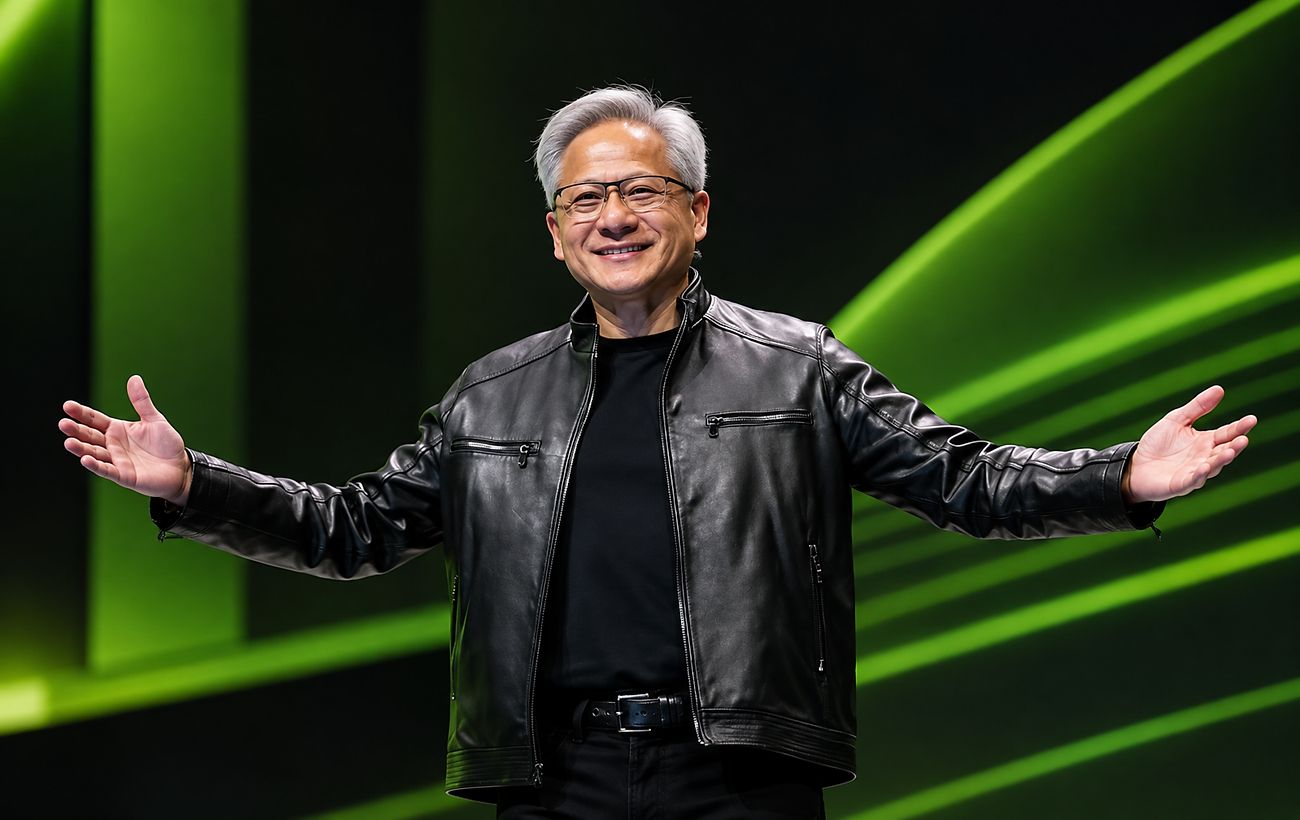
Jensen Huang Officially Returns as NVIDIA CEO and President
NVIDIA's board of directors has unanimously voted to reinstate Jensen Huang as president, chief executive officer, and board member.
 🧠AI Analysis
Financial abuses in repairs: law enforcement exposes contractor for inflating estimates
An entrepreneur from the Chernivtsi region is suspected of misappropriating budget funds during the repair of a lyceum in the Mykolaiv region.
 💼Economy
NBU Updates Exchange Rates: Dollar and Euro Resume Growth
The National Bank of Ukraine has raised the official exchange rates for the dollar and euro as of November 24 following a previous decline.
 🛡️Security
Another Massive Russian Strike: Railway Infrastructure Damaged in Zhytomyr Region and Other Oblasts
As a result of massive Russian attacks across Ukrainian regions, six people were killed and over thirty citizens injured. The invaders targeted energy facilities, civilia…
 🧠AI Analysis
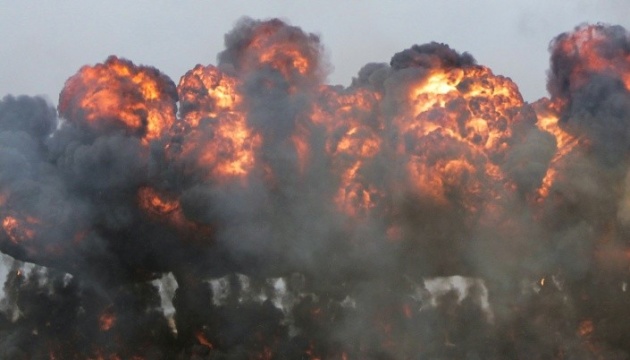
Drone Attack Sparks Fire at Perm Oil Refinery in Russia
A fire broke out at one of Russia's largest oil refineries in Perm Krai following a reported drone attack.
 🧠AI Analysis
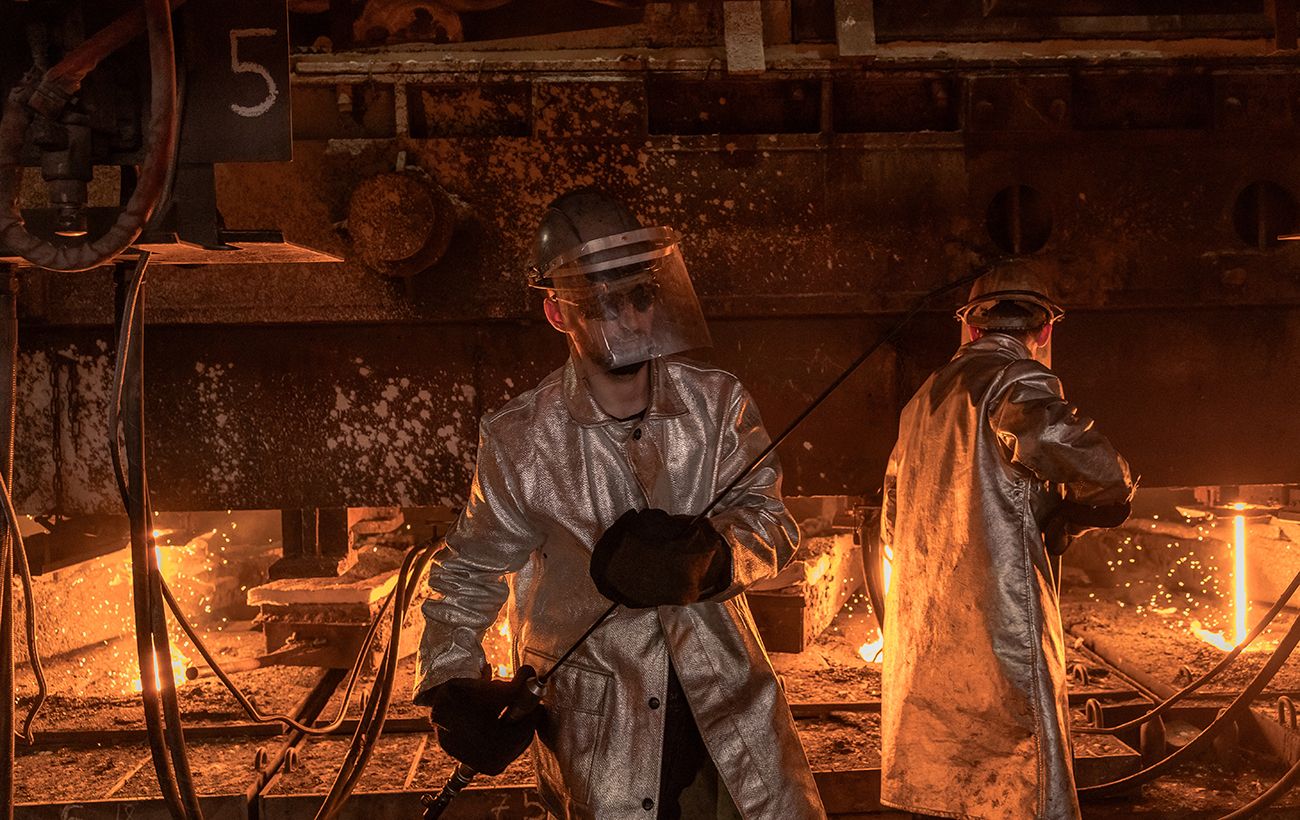
Threat to Metallurgists' Deferral: Why ArcelorMittal's Shutdown Impacts the Entire Economy
Production suspension at the Kryvyi Rih plant due to security risks puts thousands of workers' mobilization deferrals at risk amid lower downtime wages.