Hidden Danger in Water: Scientists Discover New Properties of Microplastics
Researchers found that microplastics can trigger chemical reactions capable of damaging living cells when coming into contact with water.
 🩺Health
Photo: TSN
Key points
- Microplastics generate reactive oxygen species upon contact with water
- Polyethylene and polypropylene showed the highest chemical activity
- Laboratory tests demonstrated potential damage to biological cells
The global issue of plastic pollution has taken on a new dimension following a joint study by researchers from Columbia University and the University of California, Berkeley. Scientists discovered that tiny plastic particles do not merely accumulate in the environment, but actively interact with water through chemical processes.
Chemical Activity on Plastic Surfaces
When in contact with water, the surface of microplastics generates reactive oxygen species, including hydroxyl radicals. These chemically active molecules can interact with biological substances and potentially damage proteins, DNA, and cellular structures. Laboratory tests across six common plastic types revealed that polyethylene and polypropylene are the most reactive, whereas PET and acrylic showed lower intensity.
Implications for Everyday Life
Laboratory experiments involving mouse red blood cells demonstrated that exposure to polystyrene particles could alter cell shape and cause destruction. For local communities, these findings highlight the importance of careful plastic usage at home. Experts recommend avoiding heating plastic containers in microwaves and keeping bottled water away from direct sunlight to minimize the degradation of the material.
Source TSN — tsn.ua/zdorovya/mikroplastyk-vyiavyvsia-nebezpechnishym-niz-vvazaly-shc… ↗
Read next
 💼Economy
Russian vessel Sparta II still on fire in Gulf of Finland following drone attack
The Finnish Border Guard is continuing firefighting operations on the Russian cargo vessel Sparta II, which drifted into Finnish waters after being struck by Ukrainian dr…
 🏙️City
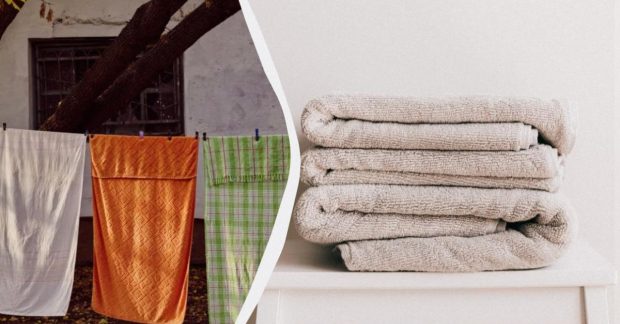
How to Make Terry Towels Soft Again: A Simple Household Trick
An easy two-step washing method using common salt and citric acid helps restore stiffness-prone terry towels to their original softness.
 🏙️City
Autumn Raspberry Pruning: How to Get Two Harvests and Protect Your Bushes
Autumn is the critical time for pruning raspberries, giving gardeners a choice between one large crop or two smaller ones.
 🏙️City
Singer Miley Cyrus secretly marries for the second time in the US
American artist Miley Cyrus has officially married musician Max Mondo during an intimate ceremony in California.
 🎓Education
Zhytomyr Region Marks Anniversaries of Orange Revolution and Revolution of Dignity
The regional community commemorated the key milestones of Ukraine's recent history and honored those who fought for freedom.
 🛡️Security
Enemy targets Zhytomyr region energy infrastructure four times in a day
Russian forces carried out four drone strikes against energy facilities in the Zhytomyr region within 24 hours, attempting to cut off power and heat.