Artificial forests vs. natural ones: new study on the effectiveness of mass planting
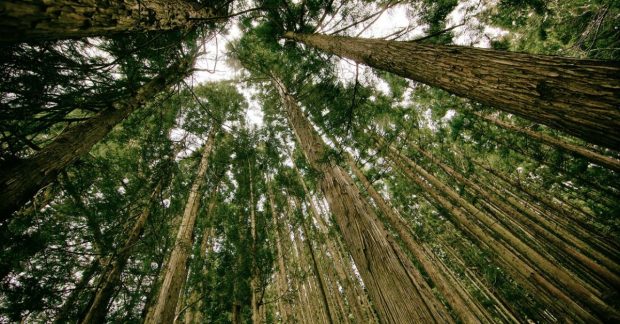
Chinese scientists have found that artificial forests grow faster than natural ones but have limited long-term effectiveness in carbon sequestration.
 💡Tech
Photo: UNIAN
Key points
- Artificial forests grow 66% faster than natural ones
- Fast-growing species provide short-term benefits
- Natural forests remain more effective for long-term carbon storage
Features of the 'Great Green Wall'
China's large-scale environmental program, known as the 'Great Green Wall,' aims to create massive forest belts to curb desertification and combat climate change. Since 1978, about 66 billion trees have been planted in the country, with another 34 billion planned by 2050. A new study published in Geophysical Research Letters highlights significant differences between such plantations and natural ecosystems.
Fast growth does not guarantee resilience
According to the researchers, artificial forests grow 66% faster than natural ones. This effect is achieved by selecting fast-growing species, such as poplars and eucalyptus, as well as constant maintenance, including fertilization and the removal of competing vegetation. Yuhan Luo from Peking University notes that while such forests are effective for rapid carbon sequestration in the short term, they fall short of natural stands in long-term resilience.
The researchers emphasize that the success of reforestation programs should not be measured solely by the number of seedlings planted. It is crucial to consider tree age, species diversity, and local conditions, as artificial ecosystems require more complex management than previously thought.
Source UNIAN — unian.ua/science/lisi-kitayu-chim-66-mlrd-visadzhenih-derev-vidrizn… ↗
Read next
 🚨Events
Trial of Russian officers for shelling of Sumy: investigation concluded
An indictment has been filed against eight Russian military commanders involved in the shelling of civilian infrastructure in Sumy in 2025.
 🛡️Security
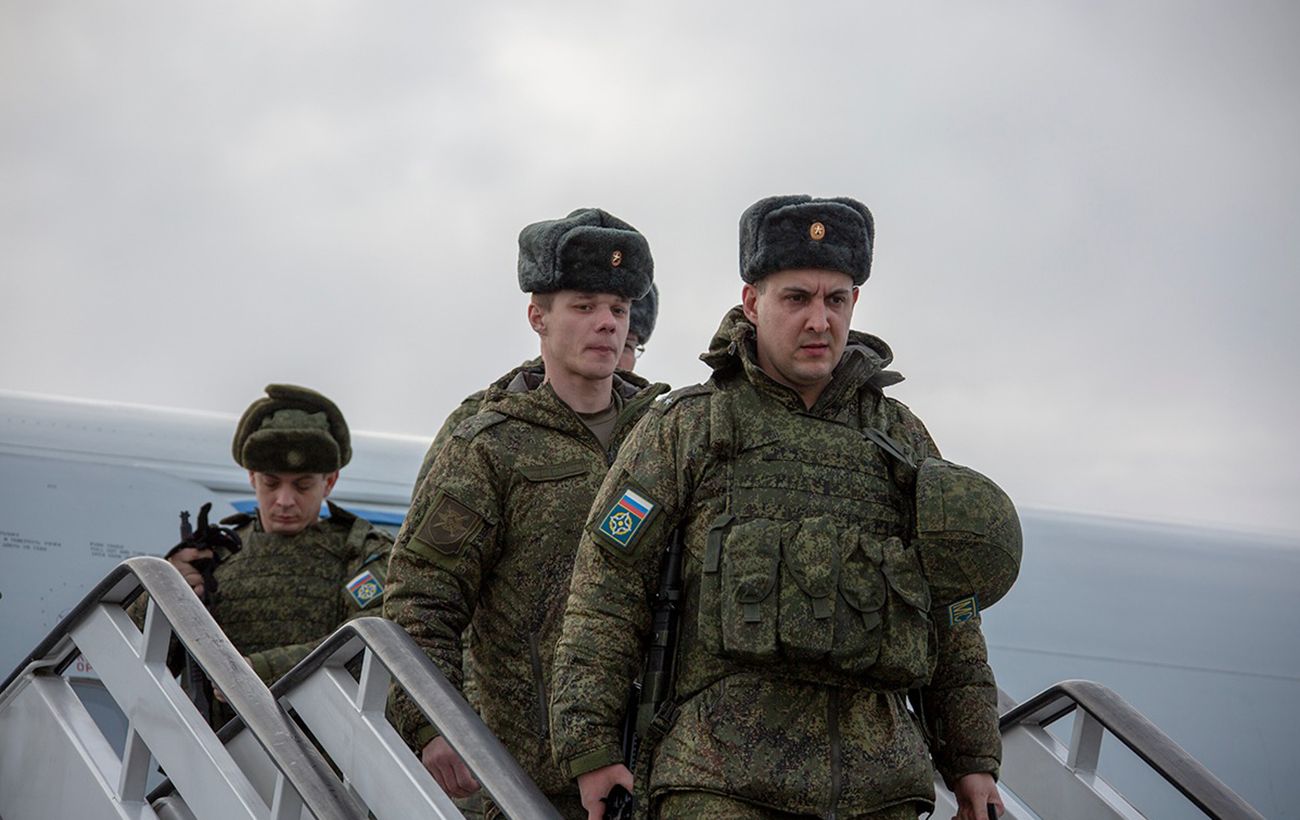
Rosstat data: over 92% of Russian army losses are combat-related
An analysis of leaked Rosstat data reveals that since the start of the full-scale invasion, the vast majority of Russian military deaths are linked to combat operations.
 🛡️Security
Ukraine expects Swedish Gripen fighters: details from the President
President Volodymyr Zelenskyy announced the arrival of the first Swedish Gripen fighters in January and emphasized the need to strengthen defense against Russian drones.
 🚨Events
Police in Odesa region investigate the death of an infant
Law enforcement officers in the Berezivka district have launched a criminal investigation after an infant's body was found in a cesspit.
 👥Society
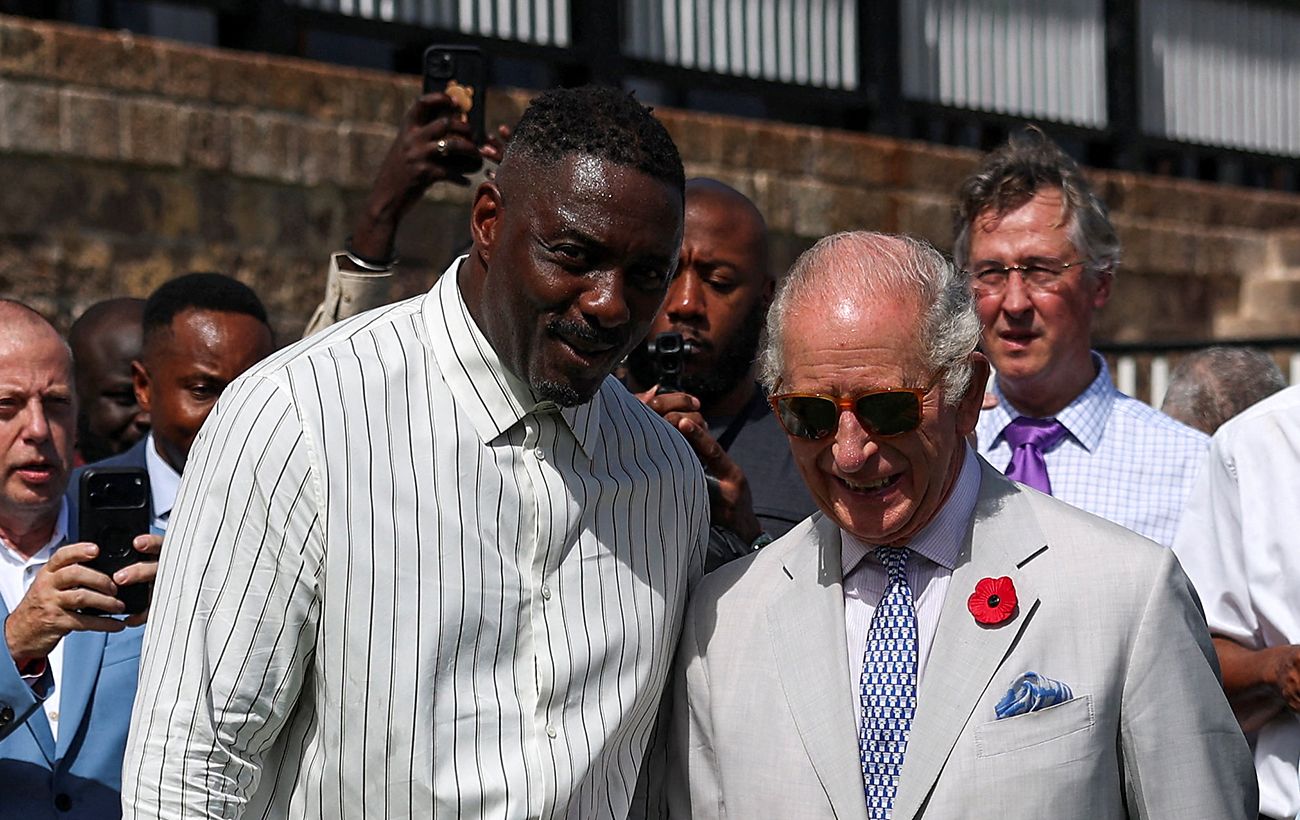
King Charles III and Idris Elba to feature in new documentary about charitable trust
The British monarch and the acclaimed actor join forces in a Netflix documentary highlighting the impact of The King's Trust.
 🩺Health
Health Ministry expects sufficient flu vaccine supplies in Ukraine
The Ministry of Health assures that despite global supply delays, Ukraine has received enough flu vaccines to meet demand.