SBU's Strategic Strikes on Crimean Bridge: How Technological Operations Reshape Diplomacy
Successful attacks on the Crimean Bridge and the 'Web' operation weaken the Kremlin's position in international negotiations, exposing the vulnerability of the Russian rear.
 💡Tech
Photo: UNIAN
Key points
- Strikes on the Crimean Bridge weaken Russia's leverage in talks with Trump and Xi.
- The 'Web' operation successfully targeted 41 strategic aviation aircraft.
- Systematic SBU attacks force Russia to divert resources to logistics and defense.
The Security Service of Ukraine (SBU) continues to demonstrate high efficiency in conducting strategic operations that carry not only military but also profound political significance. Recent successful attacks on the Crimean Bridge have become a powerful argument in the international diplomatic arena, shifting the balance of power ahead of crucial meetings between world leaders. This proves that Ukraine is capable of actively influencing the global agenda rather than remaining a passive observer of international agreements.
Diplomatic Pressure Through Military Success
According to political expert Oleksiy Kurpas, the latest strike on the bridge significantly weakened Vladimir Putin's position during his interactions with Donald Trump and Xi Jinping. For years, the Russian side promoted the narrative of the object's total invulnerability, but reality has proven otherwise. Now, Moscow is forced to explain the vulnerability of its critical infrastructure to its partners, undermining attempts to dictate peace terms from a position of strength.
"The SBU has effectively become one of the main instruments of strategic pressure on Russia," Kurpas noted.
Technological Advantage and Systematic Operations
The strike on the Crimean Bridge, marking the fourth successful instance, is part of a broader strategy. Beyond logistical hubs, the SBU actively targets Russian oil refineries and military facilities. Specifically, the expert highlighted the results of the 'Web' special operation, which resulted in hits on 41 Russian strategic aviation aircraft. Such consistency forces the adversary to constantly revise defense systems, alter logistics, and expend additional resources.
For residents of rear regions, including the Malyn community, these events hold strategic importance. The degradation of enemy logistics and aviation potential directly impacts the overall security situation in the country. Demonstrating the ability of Ukrainian intelligence services to reach strategic targets deep within the enemy's rear provides the community with confidence in the gradual exhaustion of the aggressor's military capabilities, which is vital for long-term regional stability.
Source UNIAN — unian.ua/war/udarom-po-krimskomu-mostu-sbu-dodala-ukrajini-koziriv-… ↗
Read next
 🛡️Security
Guided bomb strike near apartment building in Zaporizhzhia injures four, including a child
A Russian guided bomb hit near an apartment building in Zaporizhzhia, injuring four residents, including a child.
 👥Society
Should You Let Your Cat Sleep in Your Bed: Benefits and Hidden Risks
Sleeping with pets can offer emotional comfort, but it may also disrupt sleep quality and pose health risks.
 🏙️City
Child Deportation Case: New Suspicions Filed Against Occupation Officials from Donetsk
Ukrainian prosecutors have identified three individuals responsible for the forced transfer of 55 children to Russia's Taganrog, a scheme initiated even before the full-s…
 👥Society
Land conflict: business urges parliament to pass investment protection bill
The European Business Association has once again called on the Verkhovna Rada to review bill No. 14087, aimed at resolving legal uncertainties for companies with foreign …
 🚨Events
Three Young Men Detained in Lviv Region for Beating and Robbing an Acquaintance
Lviv region police detained three young men from other regions who attacked an acquaintance, stole his phone, and fled.
 👥Society
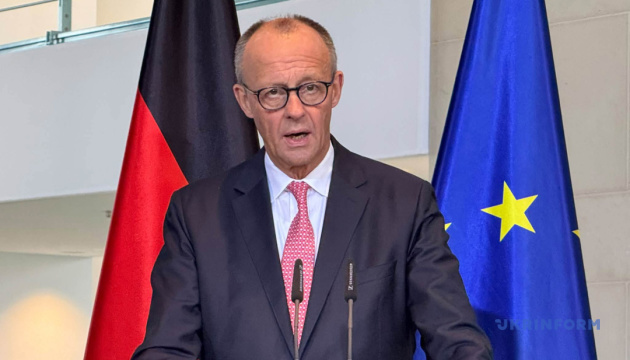
German-Ukrainian defense cooperation faces regulatory hurdles, German leadership says
At the ninth German-Ukrainian Economic Forum in Berlin, the German chancellor highlighted export duties and IP restrictions as key obstacles to deeper industrial cooperat…