How to Choose an Efficient Heater for Winter: A Comparison of Devices
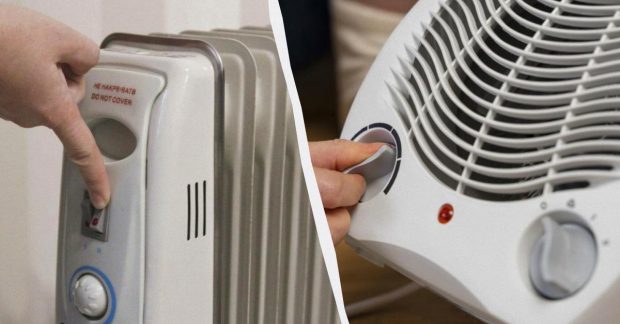
Experts analyzed the efficiency and power consumption of convection heaters, oil-filled radiators, and fan heaters for home heating during the cold season.
 🧠AI Analysis
Photo: UNIAN
Key points
- Three main types of heaters: convectors, oil radiators, fan heaters
- Convectors provide even heating and safe casing temperatures
- Oil-filled radiators feature high thermal inertia
- Power calculation is roughly 1 kW per 10 sq. m of area
With the onset of cold weather and potential risks to the energy grid or disruptions in centralized heating, many Ukrainians are considering alternative heat sources. The market offers three main types of household electric heaters: convection heaters, oil-filled radiators, and fan heaters. Each device has its own operating principle, energy efficiency level, and operational features for residential spaces.
Operating Features and Energy Consumption
Electric convection heaters operate on the principle of natural air circulation: cold air from below is heated by an element and rises. These devices operate quietly, heat rooms evenly, and their casing heats up only to moderate temperatures (45–60 °C), making them relatively safe. With a 1.5 kW rating in a well-insulated room, a convector consumes an average of 0.5–0.7 kWh per hour thanks to a built-in thermostat.
Oil-filled radiators use a sealed metal casing filled with mineral oil heated by a heating element. They heat up slower than convectors but retain and emit heat long after being turned off. At the same time, their metal ribs can heat up to 80–90 °C, requiring caution in households with small children or pets. The average consumption of a 2 kW appliance is about 0.7–0.9 kWh per hour.
Household Use and Selection Criteria
Fan heaters provide the fastest localized heating due to the forced distribution of hot air by a fan. They are compact and inexpensive, but create noticeable noise, stir up dust, and can dry out the air. The standard power calculation for any heater is approximately 1 kW per 10 square meters of floor area with a ceiling height of up to 2.7 meters, although actual electricity costs will depend on the degree of insulation and thermostat settings.
Source UNIAN — unian.ua/economics/energetics/yakiy-naydeshevshiy-sposib-obigrivu-b… ↗
Read next
 🛡️Security
Power supply restored in Sarny district following attack
Following a major blackout caused by a Russian strike on November 20, energy workers have restored electricity to over 50 settlements in the Sarny district.
 🛡️Security
Seven-year-old boy rescued after 14 hours under rubble in Dymer
Emergency services pulled a child from the ruins of an apartment building destroyed by an enemy drone in the Vyshhorod district.
 🎭Culture & Sport
Autumn Rose Care: Tips for Malyn Gardeners
Experts explain why it is better to delay radical pruning of roses until persistent cold weather sets in.
 🛡️Security
Frontline update: 143 combat engagements and intense enemy airstrikes
The General Staff of the Armed Forces of Ukraine reported on the intensity of hostilities as of the evening of November 22, noting high activity of enemy aviation and dro…
 🇺🇦Ukraine
Estonia supports Ukraine's right to self-defense following incident in Gulf of Finland
Estonian Foreign Minister Margus Tsahkna stated that the strike on a Russian vessel is a consequence of Russian aggression, affirming Ukraine's right to defend itself.
 🛡️Security
Rescue operation in Dymer: elderly woman pulled from rubble, death toll rises
Search operations continue in the village of Dymer, Kyiv region, after a drone strike hit a residential building. Rescuers recovered the body of another victim, but manag…